


Create the life you want every day as a business owner, not just on vacation. Prioritize your health, time, and money so every day is enjoyable.
As a small business owner, it’s tempting to think of vacation as the time when life finally slows down. We work hard, chase deadlines, answer messages, solve problems, and keep the business moving. Then vacation arrives, and suddenly we breathe a little deeper. But here is the million-dollar question: Why will you wait for vacation to enjoy your life?
Think. Do billionaires wait for vacation time? Probably not.
The bigger lesson is that a business owner shouldn’t feel a huge difference between being away on vacation and being at their primary residence or workplace. Of course, work still matters. Goals still need attention. Responsibilities do not magically disappear. But life should not feel like something you put on hold until you get a few days away. Vacation season may be over for most people, but that doesn’t mean a balanced life has to be, too.
The real goal is to create the life you want every single day, rather than trying to squeeze happiness, rest, and freedom into two weeks or a couple of holidays a year. This means looking after yourself health-wise, money-wise, stress-wise, and time-wise.
Our world is unpredictable and changing fast. Technology has brought countless useful tools into our lives, but it has also created new challenges. More often than not, we feel pressure to stay constantly connected. A message pops up, an email arrives, a notification flashes, and before you know it, work has followed you straight into your personal time.
For entrepreneurs, the line between home life and work life can become especially blurry. When you consider mental and physical health, stress, work responsibilities, and personal time, it all comes down to one idea: creating a more balanced life.
Why Every Small Business Owner Needs Work-Life Balance
Do you sometimes feel like you work too much and barely have time for yourself? If so, you are certainly not alone.
But balance does not mean separating from work. Instead, create a schedule that allows you to thrive professionally and personally. After all, having the cake and eating it too isn’t always realistic, but a fulfilling professional life without sacrificing everything else is worth a shot.
So, What Exactly Is Work-Life Balance?
Work-life balance is about finding the right harmony between your job and personal life. The goal is to manage professional and personal commitments while still making room for your well-being and self-care.
Many people believe that a nine-hour shift means nine straight hours of productive work. In reality, productivity doesn’t work that way. You need different activities throughout the day, along with time to recharge. If you constantly overwork, you risk mental fatigue, burnout, and stress-related diseases. Working harder is not automatically the same as working better. As the old saying goes, “All work and no play makes Jack a dull boy.”
A healthier work-life balance is not about doing less for the sake of doing less. It is about making every hour count while still leaving room for life.
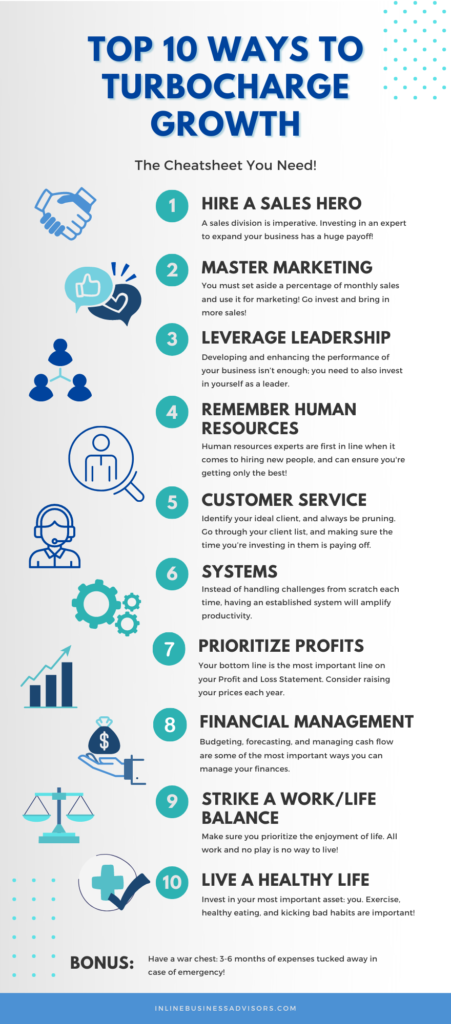
The Small Business Owner’s Cheat Sheet for a Better Daily Life
Creating a balanced life does not require turning everything upside down overnight. Small steps can go a long way. Begin with simple habits that help you manage work, protect your personal time, and enjoy life beyond vacation time.
1. Start Planning
Planning is crucial if you want to balance work and personal life. When you’re clear about your roles and responsibilities, you can do them better. Take a calendar and mark your deadlines, work milestones, vacations, important dates, and leisure time. Having everything in one place will give you an overview of what lies ahead.
This also helps you build a schedule you can actually follow. This way, you are less likely to forget an important task, and you can enjoy personal time without constantly wondering “what I might have missed.”
A stitch in time saves nine, and planning can prevent a whole lot of last-minute scrambling.
2. Designate Specific Times for Daily Tasks
Every morning, before you start working, make a list of your daily tasks in order of priority. Instead of allowing the day to push you around, you can decide when you will check emails, attend meetings, follow up with clients, and handle other responsibilities.
This simple habit can also help you eliminate time-wasting activities. Scrolling through social media or getting caught up in endless app notifications can quietly eat away your day. When you stay on schedule and complete your work on time, you do not have to spend your personal hours worrying about deadlines. Work smarter to work harder.
3. Take Regular Breaks While Working
It is practically impossible to work nonstop for eight or nine hours and expect peak productivity from beginning to end. Even if you try, your productivity and efficiency will likely drop when you work long stretches without a break.
Take short five-to-seven-minute breaks every hour or so. These short pauses give your mind a chance to reset. After lunch, for example, you can take a short walk or practice a brief meditation. It does not have to be complicated. Sometimes a little breathing room is all you need.
As they say, even machines need maintenance. So, set your expectations right.
4. Communicate Openly With Managers and Seniors
Open communication matters because people can easily get stressed when they feel they are not doing enough at work. Sometimes, you may find it difficult to complete an assigned task or responsibility. If you keep quiet, you may end up spending extra hours trying to finish everything. That can lead to mental fatigue and disrupt work-life balance.
So, be open with managers and seniors about work expectations, duties, and responsibilities. Rather than biting off more than you can chew, focus on responsibilities that you can comfortably handle.
5. Leverage the Power of Technology
Technology is advancing rapidly, and there are plenty of tools that can help you manage daily work more effectively. A project management tool can help teams collaborate better, stay focused on tasks, and save time. An all-in-one tool provides a centralized place for tasks, deadlines, and communication. Progress tracking applications also help keep everyone on the same page, reducing the need to work after hours.
Here, the goal is simple. Use technology to organize work instead of letting it follow you everywhere.
6. Start Taking Time Off
Sick leave and paid time off are of little use if you never take them. Sometimes, you can become so engrossed in work that you completely forget about taking a break. But time away from work helps you rejuvenate and freshen your mind.
If you can balance work and professional life well, a vacation should only complement your lifestyle rather than be a rescue from an exhausting one.
7. Build Positive Relationships With Team Members
Work feels different when you have positive relationships with the people around you. Rather than talking only about work, you can get to know your team members and discuss their lives and personal interests. You can spend breaks together, share lunch, talk about the latest news, or discuss sports events.
When teammates become friends, the workplace can feel more comfortable and welcoming. For a small business owner, building positive relationships with the team can also make everyday work feel less like a daily grind and more like a shared effort.
8. Learn to Say No
Helping others is good, but you don’t have to say yes every time. If you already have too much on your plate, taking on additional work can push you beyond your limits. Learning to say no can protect your time and energy.
You need firm boundaries around personal time. This way, you will not feel obligated to work or respond to notifications when you are away from work.
9. Avoid Perfectionism
You can be ambitious and still accept that perfection is not possible every time.
Trying to make every single task flawless can make ordinary responsibilities feel impossible. If you constantly chase perfection, you may spend far more time on something than necessary.
The better approach is to do your best to achieve your goals. Overworking in pursuit of perfection can increase stress and disrupt work-life balance. Sometimes, doing well is better than endlessly trying to make something perfect.
10. Socialize and Spend Time With Family and Friends
One of the biggest complaints people make is that they do not get enough time with their families. For some, this lack of personal time can even lead them to leave their jobs.
No matter how many responsibilities you have, you need to make room for the people you love. Plan weekend outings with family and friends or spend quality time together at home. These moments matter. After all, what is the point of working so hard if you never have time to enjoy the people and relationships that make life meaningful?

11. Start Celebrating Small Wins
You don’t need to wait for a massive achievement to celebrate. Finishing a task on time, following your work schedule, or choosing self-care can all count as small victories.
Acknowledging these accomplishments can help keep burnout at bay and strengthen healthy habits. Small wins can also give a sense of achievement and encourage you to continue working toward larger objectives.
12. Stay Mentally and Physically Healthy
If you are not healthy, you cannot perform at your best. Poor health can affect work and create even more stress. That is why maintaining both mental and physical health is vital for professional success.
Start by maintaining a balanced diet. Physical activities such as going to the gym, running, or jogging can also become part of your routine. Sleep matters too. Taking care of yourself is not a luxury. It is part of being able to show up properly for work.
13. Spend Time on Hobbies
When you have something enjoyable to look forward to after work, you may find it easier to stay focused during working hours.
Your hobby could be reading books, watching movies, following sports, or doing something else you enjoy. Even a little time for hobbies can make you feel refreshed and motivated. It can also unlock your creative and fun side.
Life cannot be all spreadsheets, meetings, and deadlines. Sometimes, you need to enjoy something just because you enjoy it.
14. Engage in Community Work or Volunteering
Volunteering or community service can provide meaning outside work. This way, you can shift your attention away from work-related matters and contribute to something worthwhile. That sense of contribution can promote emotional fulfillment and lower stress levels.
For a small business owner, community involvement can also become a way to network with people from different walks of life.
The Small Business Owner’s Real Goal: Build a Life Worth Living Every Day
For us, the biggest lesson is that balance should not be reserved for vacation. A small business owner should be able to enjoy freedom and balance while living and working at home, rather than waiting for a plane ticket, hotel booking, or annual holiday to feel relaxed.
That does not mean work disappears. It means you can organize your work so that it has a proper place in your life. Remember that balance looks different for everyone.
Don’t Wait for the Next Vacation. Achieving work-life balance is not about splitting every minute perfectly between work and personal life. It is about creating a routine that helps you thrive in both.
Small changes can make a huge difference. Planning, setting boundaries, prioritizing self-care, and making time for the people and activities you enjoy can gradually create a healthier routine.
You don’t have to wait until the next vacation to start living better. Vacation season may be over, but the good life does not have to go back into storage. At the end of the day, work should support your life, not take it over.

Larry Vivola is a successful business coach who coaches entrepreneurs anywhere in the world via Zoom. If he’s not coaching he’s making meatballs and entertaining friends and family!
P.S. Whenever you’re ready, there are 3 ways I can help you:
#1: Business Growth – If you’re a business owner, I will help you make more money and enjoy more leisure time. Together, we will get you the freedom you deserve! Click here to book a 15 minute discovery call!
#2: The Sales Academy – Nothing happens without the sale! More leads and a better close ratio changes everything. Do you want an affordable, custom sales machine? Click here to book a 15 minute discovery call!
#3: If you want to watch my daily business and life truths videos. Click here!

Stop selling for today. Instead, craft an offer that keeps customers coming back for years.
The first lesson about a great sales pitch has very little to do with flashy words or persuasive speeches. It has everything to do with the offer itself. After all, even the smoothest talker cannot sell an ordinary offer forever. As the old saying goes, “Actions speak louder than words,” and in sales, the offer is that action. The idea is to make the offer so irresistible that people feel almost silly walking away.
If the salesperson achieves this feat, half the battle is already won. The real magic lies in creating an offer that attracts customers not just for one purchase but for a lifetime. Instead of obsessing over profit margins on the very first sale, you need to think about the bigger picture: the customer’s lifetime value. That shift in thinking transforms a simple sales pitch into a long-term growth strategy.
Why the Best Sales Pitch Starts With an Irresistible Offer
Many business owners make the mistake of counting pennies instead of counting possibilities. They worry about maximizing the profit from the first transaction. Unfortunately, that approach often becomes a classic case of being penny-wise and pound-foolish.
The real power of sales lies in understanding that the first sale is only the beginning of a relationship. Large companies have mastered this approach. They willingly earn less on the first purchase because they understand the long game. They know the value of customer lifetime value, commonly known as CLV.
If you truly want your business to grow, you have to make your offer unbelievably attractive. The offer should be so good that customers wonder why they would ever say no. A compelling sales pitch is not about clever persuasion alone; it is about presenting genuine value that customers cannot ignore.
Simply put, if you want to grow, you need to make the offer “stupid good.”
Looking Beyond the “First Sale”
Unless you sell a product or service that customers buy only once in their lifetime, this success depends on customer loyalty.
Long-term customers create value in several important ways. They:
- Make more purchases consistently over time.
- Refer other customers to the business.
- Influence public opinion through positive brand advocacy on social media and other channels.
- Cost less to retain than to constantly acquire new customers.
This completely changes how you look at business. Instead of chasing every new prospect, you can focus on nurturing the customers you already have.
Research by customer-retention expert and author Ali Cudby highlights this reality. She notes that acquiring a new customer costs six to seven times as much as retaining an existing one. Even more impressive, a mere 5 percent increase in customer retention can improve profitability by 25 percent or more, with the potential to increase profits by up to 95 percent.
Those numbers speak volumes. They remind us that building loyalty is not simply good customer service; it is smart business.
Sales Pitch Success Depends on Understanding Customer Lifetime Value
Customer Lifetime Value (CLV) measures how much money a customer is expected to spend with a company from the first purchase until the last.
Think of it this way. Suppose an average customer buys skincare and beauty products worth $250 every year, beginning at age 25 and continuing until age 60. That customer contributes approximately $8,750 over their lifetime.
Now imagine another customer who subscribes to the company’s email newsletter and spends around $600 annually. Suddenly, that customer’s lifetime value jumps dramatically to $21,000.
On the flip side, if a customer has a poor delivery experience and abandons the brand after just one year, the lifetime value drops significantly.
These examples illustrate why every interaction matters. Every positive experience adds another brick to the relationship, while one bad experience can make the entire house come tumbling down.
What Influences Customer Lifetime Value?
Several factors determine how valuable a customer becomes over time.
First, customer engagement plays a huge role. Customers who actively interact with a brand generally remain loyal much longer.
Second, the perceived value of regularly purchased products matters. The more useful and meaningful customers find those products, the more likely they are to continue buying them.
Third, purchase frequency significantly affects lifetime value. Customers who shop more often naturally generate more revenue over time.
When you understand these factors, you can identify opportunities to increase customer value across your entire customer base instead of relying solely on attracting new buyers.
Why Customer Lifetime Value Matters More Than Ever
Customer lifetime value gives businesses a clearer picture of where their greatest opportunities lie. Rather than treating every customer the same, you can identify which groups contribute the most value and learn what makes them loyal.
Professor David Reibstein of the Wharton School has pointed out another eye-opening statistic. The probability of selling to an existing customer is up to fourteen times higher than selling to someone completely new.
This insight completely changes how you think about a marketing pitch or a sales pitch. Instead of always looking for new leads, you should focus more on strengthening relationships with customers who already trust your business.
Trust, after all, is earned; one interaction at a time.
Applying Best Practices Through a Smarter Sales Pitch
Once you understand which customers bring the greatest lifetime value, you can begin applying those successful strategies across your business.
Every customer persona behaves differently. Some customers naturally spend more. Others remain loyal longer. Some purchase frequently, while others only return occasionally.
By studying your most valuable customer groups, you can replicate the experiences that keep them engaged and introduce those same best practices to new customers.
In other words, you should stop guessing and start making informed decisions.
Estimating the Value of Every Customer
Fortunately, calculating customer lifetime value does not have to be complicated.
The basic formula is straightforward:
Customer Lifetime Value = Customer Value × Average Customer Lifespan
For instance, suppose you have 100 customers. If the average customer spends $100 each year and stays with my company for 10 years, the estimated customer lifetime value equals $1,000.
However, averages only tell part of the story. Some customers may remain loyal for 15 years instead of 10. Others may spend substantially more each year. Looking beyond simple averages can help you get a far clearer understanding of your customer base.
Different Customers, Different Journeys
Not every customer follows the same path. Take the skincare company example.
Customers who begin buying products in their twenties may spend their first decade purchasing lower-priced makeup items. Customers who join the brand in their forties may immediately invest in premium skincare products, resulting in a much higher lifetime value from the very beginning.
Recognizing these differences can help you create more relevant offers and stronger customer experiences. After all, one-size-fits-all rarely fits anyone perfectly.
Loyalty Rewards Can Strengthen Every Marketing Pitch
Loyalty rewards programs offer another valuable way to increase customer lifetime value. By comparing members of a rewards program with non-members, you can identify clear differences in spending habits and engagement.
This information allows you to encourage more customers to join while continually improving the experience for existing members. When customers feel appreciated, they often return the favor with repeat purchases and long-term loyalty. As the saying goes, “You reap what you sow.”
Practical Ways to Increase Customer Lifetime Value
Improving customer lifetime value requires consistent effort across multiple areas.
One effective strategy is increasing the average purchase value. Relevant product recommendations during checkout, introducing limited-edition offers, suggestive selling in stores, and developing valuable new products or services can all encourage customers to spend more.
Another approach involves increasing purchase frequency. A coffee shop might extend operating hours or open additional locations in busy areas. An ecommerce business could communicate more frequently via email campaigns or by releasing special offer codes across social media.
Businesses can also increase the value of their products and services. Existing customers already trust the brand, making them more willing to invest in premium offerings with higher price points.
Finally, extending the average customer lifespan can deliver enormous returns. If customers typically stop buying after reaching a certain life stage, businesses should investigate why. For example, a clothing brand focused on customers in their twenties may develop an entirely new fashion line designed specifically for customers entering their thirties.
Each of these strategies strengthens both the customer relationship and the effectiveness of every sales pitch.

Map Every Customer Journey Before Making Your Next Sales Pitch
None of these strategies work without strong customer relationships. That is why mapping the customer journey for every buyer persona becomes essential.
From the very first interaction to repeat purchases years later, every touchpoint influences customer loyalty. By identifying pain points early, you can provide proactive support before frustration grows. This reduces customer drop-off and encourages lasting relationships. Every interaction becomes another opportunity to build trust, solve problems, and demonstrate value.
When customers consistently enjoy positive experiences, loyalty becomes a natural outcome rather than a lucky accident.
The Real Secret Behind Lifetime Customers
Ultimately, you have come to know that the true power of a sales pitch is not hidden in persuasive language or clever presentations. It lies in creating an offer so valuable that saying “no” feels like missing out on something truly worthwhile.
Instead of focusing only on today’s profit, you need to think about tomorrow’s relationship. Every satisfied customer represents not just one sale but the potential for many future purchases, referrals, stronger brand advocacy, and lower acquisition costs.
Customer lifetime value gives the roadmap. An irresistible offer gives customers a reason to begin the journey. Outstanding experiences give them reasons to stay.
When you combine all three, you eventually stop chasing one-time buyers and start building lifelong relationships. And in business, that truly is where the gold lies at the end of the rainbow.
Larry Vivola is a successful business coach who coaches entrepreneurs anywhere in the world via Zoom. If he’s not coaching he’s making meatballs and entertaining friends and family!
P.S. Whenever you’re ready, there are 3 ways I can help you:
#1: Business Growth – If you’re a business owner, I will help you make more money and enjoy more leisure time. Together, we will get you the freedom you deserve! Click here to book a 15 minute discovery call!
#2: The Sales Academy – Nothing happens without the sale! More leads and a better close ratio changes everything. Do you want an affordable, custom sales machine? Click here to book a 15 minute discovery call!
#3: If you want to watch my daily business and life truths videos. Click here!

Why predictable lead generation and not bigger ad budgets or clever hacks is the real foundation of sustainable business growth.
Every ambitious agency, consultancy, and coaching business dreams of rapid growth. The internet is overflowing with promises of overnight success, secret sales funnels, and viral marketing tricks that claim to transform businesses in weeks. Yet, despite chasing every new tactic, many service businesses are still stuck on the same treadmill. The missing piece is rarely another shiny strategy. More often than not, it is lead generation. It is not simply about attracting more inquiries, but building a system that consistently attracts and qualifies the right ones.
One old proverb says, “You can’t make a silk purse out of a sow’s ear.” The same wisdom applies to business growth. Poor-quality leads cannot magically become profitable clients simply because more of them enter the funnel. Hyper-growth does not begin with clever hacks; it begins with predictable systems that identify ideal clients before valuable time is invested.
Ironically, one of the biggest myths surrounding business success is that product-market fit, flawless hiring, or endless funding are the deciding factors. While each plays a role, they become meaningful only after a business has a predictable stream of qualified opportunities.
For many experienced business coaches, the default response to slow growth looks different.
Myth #1: More Lead Generation Automatically Means More Revenue
When conversions begin to slip, the instinctive reaction feels logical. If the sales pipeline looks thin, simply push more people into the top of the funnel. Run more ads. Publish more content. Increase outreach. Surely, more inquiries must translate into more clients.
Unfortunately, business rarely works that way. Most service businesses convert somewhere between 10 and 20 percent of incoming leads. At first glance, generating twice as many inquiries appears to double the opportunity. In reality, it often doubles the frustration.
More unsuitable prospects mean more discovery calls that lead nowhere, more proposals gathering dust in inboxes, and more hours spent trying to convince people who were never the right fit.
Businesses that escape this cycle do not necessarily spend more on advertising. Instead, they become remarkably disciplined about who enters their sales process. They recognize that sustainable lead generation prioritizes quality over quantity.
Rather than chasing every inquiry, they focus on building a lead-qualification process that filters out ideal prospects early, routes conversations intelligently, and ensures every meeting has genuine potential.
What Lead Qualification Really Means
Lead qualification is the process of determining whether someone genuinely fits a business before significant time, energy, or resources are invested.
Interest alone does not make someone a qualified prospect. An ideal lead has the right problem, the appropriate budget, the right mindset, and enough readiness to move forward.
Many service businesses already attempt some form of qualification, although it usually happens informally. Questions arise during the first discovery call. Extra details emerge through endless email exchanges. Sometimes decisions rely entirely on instinct.
While experience certainly matters, instinct alone creates inconsistency. By the time a consultant realizes that a prospect lacks the budget or expects unrealistic results, several valuable hours may already have been lost.
A structured qualification process prevents that waste. Instead of relying on guesswork, businesses gather meaningful information upfront, evaluate every inquiry against consistent criteria, and reserve their deepest attention for prospects most likely to become long-term success stories.
Like sharpening an axe before cutting wood, preparation makes every subsequent step faster and more effective.
Myth #2: Every Inquiry Deserves Equal Attention
Another persistent business myth suggests that every inquiry deserves the same level of enthusiasm. On paper, this sounds customer-centric. In practice, it quietly drains profitability.
When revenue feels uncertain, businesses naturally hesitate to reject opportunities. Every email appears promising. Every booked call carries hope. Each prospect becomes “worth exploring.”
Over time, this mindset creates an unpredictable client portfolio. Some clients become enjoyable partnerships that generate strong margins and valuable referrals. Others absorb enormous amounts of time while producing very little return.
The unfortunate reality is that difficult clients often consume the greatest share of attention. They ask for more revisions, demand more meetings, question every recommendation, and frequently leave before meaningful results have been achieved.
The consequences ripple across the entire business. Excellent clients receive less focus. Teams lose enthusiasm, and retention falls. Sales teams feel like they are gambling instead of following a repeatable process. The answer is not another burst of marketing activity. It is learning how to identify worthwhile opportunities before the relationship even begins.
That is where thoughtful b2b lead generation becomes particularly valuable. In complex service industries, attracting inquiries is only half the challenge. Ensuring those inquiries align with the business’s expertise is what creates sustainable growth.
What Does Great Lead Qualification Look Like?
Every effective qualification process starts with one surprisingly simple exercise. Instead of asking, “Who might buy?” Successful businesses ask, “Who would they happily work with again tomorrow?”
The answers usually reveal far more than demographic information ever could.
Looking back at the strongest client relationships often uncovers three common characteristics:
Profit
Strong clients generate healthy margins without creating constant friction. A client who is simultaneously difficult and unprofitable sends one of the clearest warning signals a business can receive. Healthy businesses protect their margins by recognizing these patterns early.
Enjoyment
Financial return matters, and so does the experience of delivering the work. The best client relationships energize teams rather than exhausting them. People become more creative. Communication improves, and ideas flow naturally. That positive momentum eventually benefits everyone involved.
Longevity
Exceptional clients rarely disappear after one project. They continue growing alongside the business. They trust recommendations and appreciate expertise. Eventually, many become enthusiastic advocates who generate referrals and powerful case studies. Once these qualities become clear, businesses can build a qualification process that consistently identifies similar prospects.
Asking Better Questions During Lead Generation
Many inquiry forms collect little more than a name, an email address, and an open-text box asking, “How can we help?” Those details offer very little insight.
Effective lead generation begins by collecting information that predicts whether a relationship is likely to succeed before the first conversation.
The strongest qualification questions generally explore five key areas:
- Understanding Current Problems
- Every successful client begins with a genuine challenge.
- How prospects describe that challenge often reveals whether they are likely to become productive partners.
- Clear, specific explanations usually indicate that business owners are thoughtful and understand their situation.
- Vague complaints or unrealistic expectations often signal future difficulties.
Patterns quickly emerge when businesses compare their best historical clients with their most challenging ones.
Defining Success
Equally important is understanding what success actually looks like.
Where does the prospect hope to be six months from now? Or perhaps twelve?
Realistic ambition creates productive conversations. Goals that are disconnected from reality or completely misaligned with the services being offered deserve closer examination before the relationship progresses.
Budget and Existing Investment
Financial conversations need not feel uncomfortable. Instead, they provide valuable context. Understanding what a business currently invests in marketing, coaching, or professional services helps establish realistic expectations.
A company generating substantial revenue while investing almost nothing in a critical growth function presents a different opportunity from one already committed to strategic scaling.
Team and Internal Resources
Knowing who will participate throughout the engagement helps businesses estimate effort more accurately. Company size, available internal resources, and the number of stakeholders all influence pricing, communication, and delivery expectations.
Urgency and Readiness
Readiness extends beyond enthusiasm. Some prospects want immediate results but resist proper discovery or planning. Others remain interested indefinitely without ever taking meaningful action. Neither extreme necessarily creates an ideal client relationship.
Understanding timing helps businesses allocate attention where it can produce the greatest return. By collecting these insights before the first sales conversation, every meeting begins with clarity instead of uncertainty.
Turning Information Into Action With a Lead Scoring System
Collecting valuable information is only the beginning. The real advantage comes from using it consistently.
Many businesses gather detailed inquiry forms only to ignore the answers when scheduling sales calls. Every prospect still receives the same amount of attention, regardless of whether they are an obvious match or clearly unsuitable. This approach defeats the purpose of qualification.
An effective lead scoring system creates structure. Rather than relying on gut feeling, every prospect is assessed against the same criteria before anyone invests hours in meetings or proposals.
One of the simplest methods is a three-tier traffic light model:
Red – Low Fit
These prospects receive a brief introductory conversation. The purpose is not to sell but to confirm whether the initial assessment is accurate. If the prospect is genuinely unsuitable, both parties can move on respectfully without wasting additional time.
Amber – Possible Fit
Some prospects show promise but still raise important questions. They may have the right business but unclear priorities, or sufficient budget but uncertain timing. These conversations deserve more exploration before any recommendation is made.
Green – Ideal Fit
These are the opportunities every service business hopes to attract. They have the right challenges and value expertise. Their goals align with the services on offer. Their budget reflects a genuine commitment. These prospects deserve full attention because they have the greatest potential to become long-term clients rather than one-off projects. This structured approach completely changes how time is allocated.
Instead of treating every inquiry equally, businesses invest their energy where it creates the greatest return. Even better, modern systems allow much of this process to happen automatically.
Prospects complete a carefully designed scorecard, receive a qualification score based on their responses, and are directed towards the appropriate booking option without requiring constant manual review. While the business sleeps, the system quietly separates curiosity from genuine opportunity.
Myth #3: Better Salespeople Solve Low Conversion Rates
Whenever conversion rates fall, another common assumption appears. The business needs better salespeople.
Certainly, strong communication matters. Great sales conversations build trust, answer questions, and remove uncertainty. However, sales ability alone rarely fixes a pipeline filled with poor-quality prospects.
Trying to persuade unsuitable clients is like rowing upstream. Every conversation demands enormous effort, yet progress remains painfully slow.
The opposite happens when businesses improve qualifications first. Sales conversations become collaborative instead of persuasive. The prospect already understands the value being offered. Their challenge aligns with the business’s expertise. They have realistic expectations. Most importantly, they already want help.
Instead of trying to convince someone to buy, the conversation becomes a discussion about the best path forward. That difference explains why businesses with strong qualification systems routinely achieve conversion rates between 60 and 80 percent on qualified leads, while many others continue operating within the familiar 10 to 20 percent range.
The improvement rarely comes from clever closing techniques. It comes from speaking with the right people in the first place.
Better Lead Generation Creates Better Clients
Higher conversion rates are only one part of the story. The true benefit appears after the contract has been signed. When businesses consistently attract and qualify ideal clients, every downstream metric improves.
Projects run more smoothly, communication becomes easier, and expectations remain realistic. Teams spend more time creating meaningful outcomes instead of managing avoidable conflict.
Client retention increases because the relationship started on the right foundation. Satisfied clients naturally become advocates. They introduce new opportunities through referrals, provide testimonials, and become valuable case studies that attract even more qualified inquiries.
The Paid Discovery Step That Changes Everything
Many high-performing consultancies and agencies add one more stage before proposing an ongoing engagement. Instead of moving directly from a free discovery call to a long-term retainer, they introduce a paid strategy session.
A paid discovery engagement immediately filters out people who are merely curious from those who are genuinely committed to solving their problems. Prospects unwilling to invest in understanding their own business often reveal how they will approach every future engagement.
For businesses, this stage also provides valuable protection. Rather than recommending services based on assumptions, consultants take the time to understand the client’s operations thoroughly before suggesting a long-term solution. That leads to stronger recommendations and more confident proposals.
Perhaps the most powerful aspect of this approach is its honesty. Businesses present thoughtful recommendations based entirely on the client’s circumstances.
That level of confidence demonstrates genuine expertise. By the time a retainer conversation begins, much of the uncertainty has disappeared. The client understands how the business thinks. Continuing together becomes the logical next step rather than a difficult sales decision.
Businesses adopting this approach consistently report conversion rates into retainers between 70 and 80 percent. Again, the improvement comes less from persuasive selling and more from careful qualification and trust built through meaningful work.

Stop Filling the Funnel. Start Fixing the System.
The temptation to chase the latest growth hack will probably never disappear. There will always be another advertising strategy, another social platform, another marketing trend promising spectacular results. Yet lasting growth rarely comes from shortcuts.
It comes from building systems that consistently identify the right opportunities while filtering out the wrong ones. For agencies, consultants, and coaching businesses, that journey starts by replacing volume with precision.
A structured qualification process transforms sales conversations from uncertain gambles into purposeful discussions. Lead scoring ensures time is invested wisely. Thoughtful questions reveal the prospects most likely to succeed. A paid discovery stage builds trust before long-term commitments are made.
Hyper-growth is not built by speaking to everyone. It is built by speaking to the right people, at the right time, for the right reasons. Businesses willing to stop chasing quick wins and start strengthening their systems discover an important truth.
The most valuable competitive advantage is not louder marketing or larger budgets. It is predictable lead generation supported by intelligent qualification, a foundation that continues delivering long after the latest growth hack has faded away.
Larry Vivola is a successful business coach who coaches entrepreneurs anywhere in the world via Zoom. If he’s not coaching he’s making meatballs and entertaining friends and family!
P.S. Whenever you’re ready, there are 3 ways I can help you:
#1: Business Growth – If you’re a business owner, I will help you make more money and enjoy more leisure time. Together, we will get you the freedom you deserve! Click here to book a 15 minute discovery call!
#2: The Sales Academy – Nothing happens without the sale! More leads and a better close ratio changes everything. Do you want an affordable, custom sales machine? Click here to book a 15 minute discovery call!
#3: If you want to watch my daily business and life truths videos. Click here!

While founders of any business are often seen as multitaskers or driving forces, they can also become the ceiling for the venture. It’s crucial to identify this ceiling before it completely thwarts growth.
Ask most entrepreneurs why their company has stopped growing, and you’ll hear a familiar list of suspects: The market is tough. Competitors are moving faster. The economy is unpredictable. Hiring is difficult. Customers are spending less.
Those challenges are real, but they often distract from a harder truth. In many cases, the biggest obstacle to business growth isn’t outside the company. It’s sitting inside the founder’s office.
That realization can be uncomfortable. After all, the entrepreneur who built the company was once its greatest asset. They took risks when others hesitated, they learned constantly, and they were willing to bet on themselves when the odds looked impossible. Then, little by little, many things change.
Success creates routine, and routine creates comfort. This comfort brings caution. Before long, the same person who once embraced uncertainty begins protecting what they’ve built instead of expanding what it could become. That’s the founder trap.
The contrarian truth is that most businesses stop growing when their owners stop growing. And when that happens, the effects ripple through the entire organization.
Businesses Rarely Outgrow Their Owners
There’s an old saying: “A fish rots from the head.” While harsh, it captures an important reality. Companies often reflect the strengths, weaknesses, habits, and limitations of their leaders. Business coaches have seen this pattern play out countless times.
In the early days of a business, the founder does everything. They handle sales, marketing, customer service, operations, finances, and often product development as well. When only a handful of people are involved, this arrangement works surprisingly well.
Everyone knows who has the answers and who makes the final call. The founder becomes the hub of the wheel. At first, that feels efficient, but every rose has its thorn. As the company grows, the founder’s responsibilities grow too. Suddenly, there are more customers, more employees, more decisions, and more moving pieces. The workload becomes impossible for one person to manage effectively. That’s when the cracks begin to show.
The founder wants to delegate, and the team wants to help. Yet somehow everything still comes back to the same person. A learned dependency forms inside the organization. People naturally seek guidance from the individual who has always had the answers. The founder remains involved in nearly every decision, every relationship, and every process.
Without realizing it, the leader becomes the bottleneck. And bottlenecks are kryptonite to business growth.
The Most Expensive Employee in Your Company Might Be the Owner
Let’s be honest. If people constantly come to you for decisions, approvals, clarifications, and direction, the problem may not be your team. It may be you. That statement stings because it challenges a common leadership narrative.
Many leaders complain that employees lack initiative. They wonder why people won’t make decisions independently. They get frustrated when every issue lands on their desk. But organizations learn behaviors over time.
If employees repeatedly receive signals that major decisions require your approval, they will naturally continue to seek it. If you’re always rescuing projects, people will wait to be rescued. And if you’re always providing answers, people will stop looking for answers themselves.
The uncomfortable reality is that leaders often train people to become dependent on them. And sometimes, if we’re being completely honest, we secretly enjoy feeling indispensable. Being needed feels good, the smartest person in the room feels good, and even the hero feels good, until it doesn’t.
Eventually, the workload becomes overwhelming. Important strategic initiatives get pushed aside. Long-term planning disappears. Innovation slows. The founder spends their days putting out fires instead of building the future. At that point, the founder isn’t accelerating the company anymore. They’re limiting business growth.
Leadership Bottlenecks are Growth Bottlenecks
The concept becomes clearer when viewed through the lens of the Theory of Constraints. The theory teaches that every system has a bottleneck. That bottleneck determines the maximum output the system can produce.
Think about a factory. If one machine can process only 100 units per hour while the other machines can process 300 units per hour, the entire factory is effectively limited to 100 units per hour. The bottleneck sets the pace here.
Knowledge work operates in much the same way. When every major decision, customer relationship, approval, or piece of information must pass through one leader, that leader becomes the bottleneck. The company’s output becomes tied directly to that person’s capacity. The organization can only move as fast as its founder.
That’s why leadership bottlenecks are growth bottlenecks. If you are the bottleneck, your first responsibility is not to work harder but to remove yourself from the middle of everything.
Why Smart Entrepreneurs Stay Stuck
Here’s where things get interesting. Most founders don’t intentionally become bottlenecks. They become bottlenecks because fear disguises itself as caution. That fear wears many masks.
- “I need to review this before it goes out.”
- “Nobody understands the customer like I do.”
- “I can do it faster myself.”
- “What if they make a mistake?”
- “We’re not ready yet.”
On the surface, these statements sound reasonable, even prudent. But beneath them often sits a deeper concern of letting go of control. The irony is almost poetic. The skills that help founders build businesses can eventually prevent them from scaling those businesses.
Attention to detail becomes micromanagement, and high standards become perfectionism. This is also where responsibility becomes control, and confidence changes to ego. Before long, smart entrepreneurs find themselves running in circles like a dog chasing its tail.
They’re working harder than ever, but business growth remains stubbornly slow. The problem here isn’t effort but the structure.
Business Growth Starts With Documentation
One of the simplest ways to avoid being a bottleneck is to document. But folks, simple doesn’t always mean easy. Documentation requires discipline. It means updating project boards, recording customer conversations, maintaining client files, and tracking workflows, systems, and processes.
In a fast-moving startup, this work can feel painfully slow. Many founders see documentation as irrelevant work. But that’s like being penny-wise and pound-foolish.
Documentation transforms knowledge from something trapped inside one person’s head into something the entire company can access.
When processes are documented:
- Team members can step in and help.
- New hires can onboard faster.
- Knowledge survives turnover.
- Work becomes repeatable.
- Decisions become scalable.
If you’re trying to offload a responsibility, documenting it is the first step. Think of documentation as building bridges instead of building walls. Each documented process creates another pathway for people to contribute without relying on you.

Business Growth Requires Decision-Making Freedom
Documentation solves one problem, heuristics solve another. A heuristic is simply a guiding principle or a simple rule that helps people make decisions independently. Instead of requiring constant oversight, employees use these principles to navigate everyday situations.
With a set of simple rules, create alignment without creating dependence. That’s the magic. People don’t need permission for every decision. They need to understand the mission, the priorities, and the guardrails. As a result, leaders spend less time answering routine questions and more time addressing exceptions, opportunities, and strategic challenges.
Personal Development is a Business Strategy
Many entrepreneurs treat personal development as something separate from leadership. That’s a mistake. Personal development is a business strategy. The skills that built your company may not be the skills required to scale it. A founder who excels at doing must eventually learn to lead, and a leader who excels at controlling must eventually learn to trust.
As the saying goes, “What got you here won’t get you there.” The company’s next level often requires the founder’s next level. That means developing new habits, mindsets, systems, and ways of thinking about leadership itself.
The businesses that grow consistently are usually led by people who continue to grow themselves.
Getting Out of Your Own Way
If you’re feeling more overwhelmed than everyone around you, pause and ask a difficult question. Am I the bottleneck? Look closely at your calendar, your inbox, and the decisions crossing your desk each day.
Then ask yourself:
- What work could someone else do, even if they do it more slowly?
- What knowledge should be documented?
- What decisions could others make?
- What relationships need broader ownership?
- Where am I creating dependency instead of capability?
The answers may surprise you. The good news is, this awareness is the hardest step. Once you recognize the bottleneck, you can begin removing it. You can document processes, create guiding principles, empower people to act, and stop being the repository of every answer. Most importantly, you can continue growing as a leader.
Business growth isn’t only about strategy, markets, or competition; it’s also about the person leading the company. When leaders remove themselves as the bottleneck, teams gain confidence, organizations gain capacity, and companies gain momentum.
Sometimes the biggest breakthrough isn’t doing more. It’s getting out of your own way and allowing the business to soar.
Larry Vivola is a successful business coach who coaches entrepreneurs anywhere in the world via Zoom. If he’s not coaching he’s making meatballs and entertaining friends and family!
P.S. Whenever you’re ready, there are 3 ways I can help you:
#1: Business Growth – If you’re a business owner, I will help you make more money and enjoy more leisure time. Together, we will get you the freedom you deserve! Click here to book a 15 minute discovery call!
#2: The Sales Academy – Nothing happens without the sale! More leads and a better close ratio changes everything. Do you want an affordable, custom sales machine? Click here to book a 15 minute discovery call!
#3: If you want to watch my daily business and life truths videos. Click here!

In virtually every industry, artificial intelligence has become a buzzword. And it is louder than a Monday morning alarm. Everywhere one looks, someone claims that machines can think, make decisions, and even outsmart seasoned entrepreneurs. But as the old saying goes, “Not all that glitters is gold.” When it comes to AI vs human decision-making in business, the difference is technical, but also deeply human.
AI is powerful, no doubt. It can crunch numbers faster than a caffeine-fueled analyst and spot patterns that might slip past the human eye. But it doesn’t have context in the personal realm. In business, that’s make or break, especially when it’s all about connecting with the target customers at a deeper level.
AI vs Human Decision Making in Business: Speed vs Soul
At first glance, AI appears to be the ultimate decision-making partner. It processes massive datasets, identifies trends, and spits out recommendations in seconds. It’s like having a supercomputer whispering in one’s ear, saying, “Here’s the smartest move.”
But business decisions aren’t made in a vacuum. They are made in the messy, emotional, high-stakes world of real life. This is where AI vs human decision-making begins to reveal its true contrast. AI brings speed, but humans bring soul.
A business owner feels the weight behind the numbers. Payroll might be an expense to most, but it’s also someone’s rent, someone’s school fees, someone’s livelihood. AI doesn’t understand that. It sees figures, not faces, not responsibilities.
You can’t put a price tag on peace of mind. That’s something no algorithm can calculate.
The Limits of AI in Business Strategy: Where Logic Stops Short
Let’s talk about the limits of AI in business strategy, because this is where the rubber meets the road. AI can analyze data, identify patterns, and generate ideas at lightning speed. It can suggest strategies based on past performance and predict outcomes with impressive accuracy. But it has no gut instinct. No lived experience. No emotional context. It doesn’t know what’s at stake for the person who is making the decision.
A seasoned entrepreneur carries years of wins, losses, lessons, and late nights. They remember the risks that paid off and also the ones that didn’t. They’ve felt the sting of failure and the thrill of success. That experience impacts their decisions in ways no machine can replicate.
AI doesn’t know the pressure of making payroll. It doesn’t understand the pride in building something from scratch. It hasn’t sat through sleepless nights wondering whether to pivot or push through. And here’s the truth – those aren’t “soft” factors. They are the strategy. Because sometimes, the best decision isn’t the most logical one, it’s the one that just feels right.
AI vs Human Decision Making in Business: Data vs Direction
In the ongoing debate over AI vs. human decision-making in business, one key difference is ‘data versus direction.’
AI thrives on data. Feed it enough information, and it will give back sharp, actionable insights. But data alone doesn’t chart a course. It doesn’t define purpose.
Humans, on the other hand, bring direction. A business owner isn’t just asking, “What works?” They’re asking, “What matters?” That subtle shift changes everything. For example, a strategy might look perfect on paper if it promises higher returns, lower risk, and scalable growth. But if it doesn’t align with the owner’s vision or values, it becomes a hollow victory.
As the saying goes, “Just because you can doesn’t mean you should.” AI might recommend calculative strategies for business growth, but nothing can beat real-life experiences. This is another clear example of the limits of AI in business strategy. AI can tell what is possible, but it cannot decide what is meaningful.
The Emotional Equation AI Cannot Solve
Business is often painted as a numbers game, but anyone who has been in the trenches knows better. It’s an emotional equation. Fear, ambition, hope, and doubt are an expected part of carrying out a strategy.
When examining AI vs human decision-making, this emotional layer becomes impossible to ignore. AI doesn’t feel ambition, it doesn’t experience fear, it doesn’t dream about the future or worry about what could go wrong, and it doesn’t have a vision for a family’s future.
And yet, those emotions drive some of the most important decisions in business. They influence when to take a leap of faith, when to hold back, and when to change direction entirely. AI cannot replicate that. It cannot sit at the crossroads of logic and emotion and choose a path.
That’s one of the most critical limits of AI in business strategy. It lacks the human heartbeat behind the decision.
Risk, Instinct, and the Art of Knowing When
One of the most fascinating aspects of AI vs human decision-making in business is how each approaches risk. AI evaluates risk based on probability. It calculates outcomes using historical data and predictive models. It plays it safe, sticking to what the numbers suggest.
Humans read between the lines. A business owner might take a risk that doesn’t make sense on paper but feels right in their gut. Or they might walk away from an opportunity that looks perfect because something feels off. This is the art of timing, intuition, and instinct.
Your gut instinct will tell you to strike while the iron is hot. But knowing when the iron is truly hot is where AI fails. This again highlights the limits of AI in business strategy. It can measure risk, but it cannot feel it.
AI vs Human Decision Making in Business: Execution vs Alignment
AI shines in execution. It can streamline processes, automate tasks, and enhance efficiency. It’s the engine that keeps things running smoothly. But strategy is a different story.
In the conversation around AI vs. human decision-making in business, it becomes clear that AI can support execution but cannot define alignment. Real strategy isn’t just about doing things right. It’s about doing the right things. It’s about alignment between goals, values, and vision.
A business owner might choose a slower path because it aligns with their long-term vision. They might reject a lucrative deal because it doesn’t sit well with their principles. AI doesn’t have principles. It doesn’t have a vision. It has data.
And while data is powerful, it’s not the whole picture. That’s why the limits of AI in business strategy become so evident when decisions go beyond numbers.

The Human Edge: Experience, Context, and Vision
What truly sets humans apart in AI vs. human decision-making is the combination of experience, context, and vision. Experience teaches lessons that no dataset can fully capture. Context provides understanding that goes beyond surface-level analysis. And vision is the north star guiding every decision.
A business owner isn’t just reacting to the present, they’re building the future. They’re asking questions like:
- What kind of life do they want?
- What legacy do they hope to leave behind?
- What impact do they want their business to have?
AI doesn’t ask those questions. It doesn’t even know they exist. This is perhaps the most profound of all AI’s limits in business strategy: it lacks purpose.
Walking the Tightrope: Using AI Without Losing the Human Touch
So where does that leave business owners? Right in the sweet spot. The smartest entrepreneurs aren’t rejecting AI, they’re embracing it. But they’re doing so with their eyes wide open.
When the discussion is around AI vs human decision-making in business, the winning approach isn’t choosing one over the other. It’s knowing how to balance both.
AI can support execution. It can enhance thinking and provide insights that sharpen decision-making. But it cannot replace the human element. As the saying goes, “A tool is only as good as the person using it.” Business owners who understand the limits of AI in business strategy use it as a tool, not a crutch. They let AI handle the heavy lifting while they focus on what truly matters, such as vision, alignment, and instinct.
Trusting the Gut in a Data-Driven World
Trusting one’s gut might seem old-fashioned, but in reality, it’s more relevant than ever. Because data can inform a decision, but it cannot make it.
In the ongoing debate over AI vs. human decision-making in business, human instinct remains the final call. It’s the quiet voice that says, “This feels right,” even when the numbers say otherwise. And more often than not, that voice is worth listening to. After all, fortune favors the bold, not the perfectly calculated.

The Final Word: Who Really Leads?
At the end of the day, the conversation around AI vs human decision-making in business boils down to one simple truth: AI is a powerful assistant, but it is not the decision-maker.
AI doesn’t understand what’s at stake. It doesn’t feel the weight of responsibility. It doesn’t dream, hope, or fear. Humans do, and that makes all the difference.
The limits of AI in business strategy are not weaknesses. Instead, they are reminders of what makes human decision-making so powerful. Strategy isn’t just logic. It’s also alignment, intuition, and something deeply personal.
The best business owners won’t lose to AI. They’ll use it wisely like a compass, not a captain. Because in the end, it’s not about who has the smartest tools. It’s about who knows how to use them and when to trust their own instincts to lead the way.
Larry Vivola is a successful business coach who coaches entrepreneurs anywhere in the world via Zoom. If he’s not coaching he’s making meatballs and entertaining friends and family!
P.S. Whenever you’re ready, there are 3 ways I can help you:
#1: Business Growth – If you’re a business owner, I will help you make more money and enjoy more leisure time. Together, we will get you the freedom you deserve! Click here to book a 15 minute discovery call!
#2: The Sales Academy – Nothing happens without the sale! More leads and a better close ratio changes everything. Do you want an affordable, custom sales machine? Click here to book a 15 minute discovery call!
#3: If you want to watch my daily business and life truths videos. Click here!